87cdd4d12f9ab19a1c…The English page renders the captured source as Markdown and preserves its images and links. Copyright remains with the official publisher.
What is an exchange rate?
Evidence tier: A1 Evidence type: Auto-discovered official publication Source: MoneyGram Corporate News Official publication date: 2026-06-22 Captured: 2026-07-18T16:33:08.214Z
June 22, 2026
You’re ready to send money to someone you care about when you notice a number on the screen labeled “exchange rate.” If you’ve never sent money internationally before, it can feel confusing fast. Is it part of the fee? Does it affect the transfer? Are you supposed to know what it means before you continue?
You’re not alone. Exchange rates sound more complicated than they really are. Once you understand the basics, it becomes much easier to know how much your recipient will receive before you send.
What an exchange rate is and why it matters when you send money
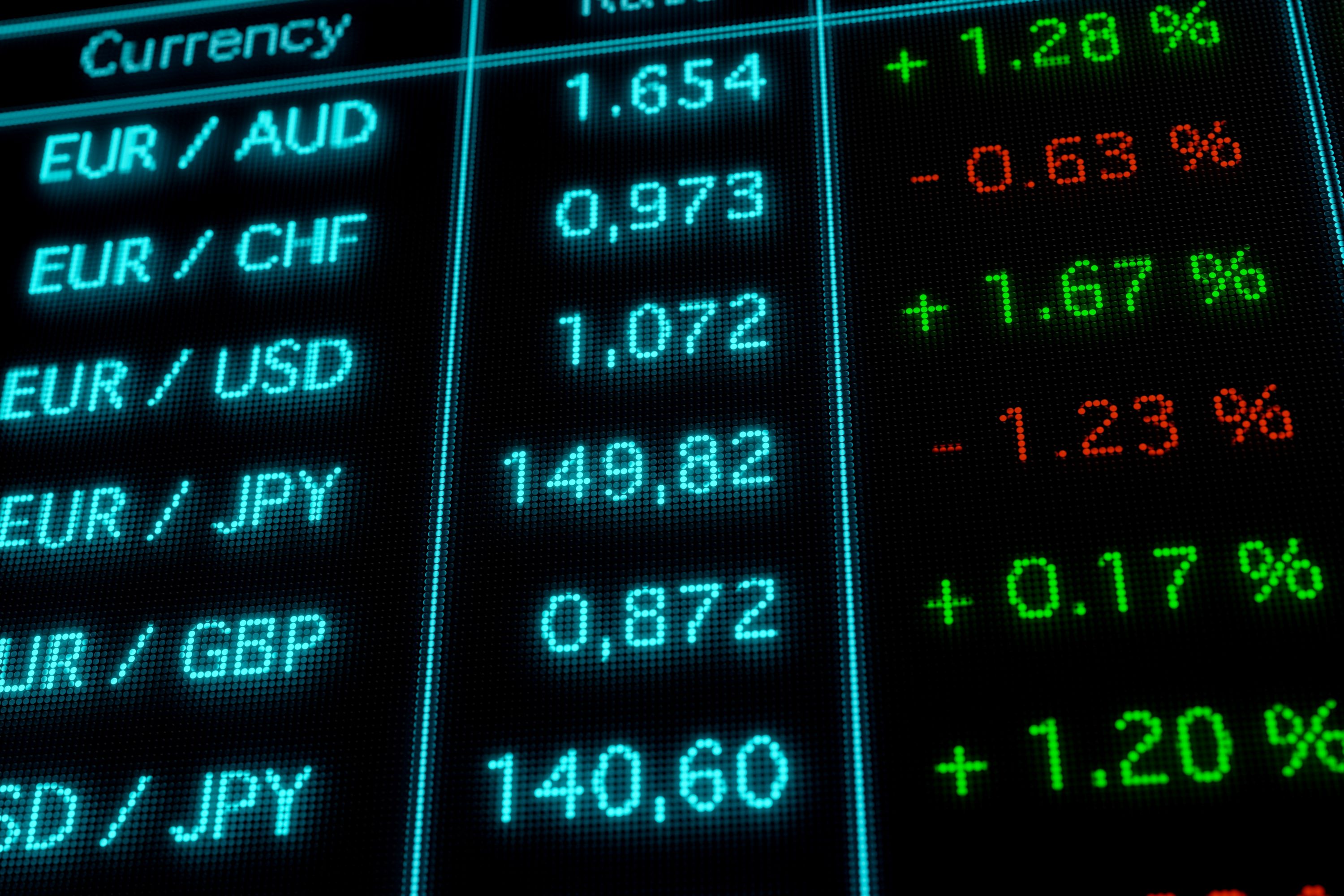
An exchange rate tells you how much one currency is worth when converted into another. You may also see this referred to as “FX,” short for foreign exchange. When you send money internationally, it determines how much your recipient receives in their local currency.
For example, if you send US dollars, your recipient may receive pesos, rupees, or Philippine pesos depending on where they live. The exchange rate is what converts your money into the currency they use every day.
That matters because the exchange rate directly affects the final amount received. Even when the send amount stays the same, the amount your recipient gets can change depending on the rate being used at the time of the transfer.
For many families, that difference matters. Around the world, millions of people rely on money sent from abroad to help cover essentials like groceries, rent, medical expenses, and school fees. In many cases, international money transfers are not extra spending money. They are part of everyday life.
The exchange rate may look like a technical detail at first, but for senders, it is practical. It helps answer one of the biggest questions people have before sending money: how much will my recipient actually receive?
You do not need to understand finance or currency markets to send money across the globe with confidence. You just need to know that the exchange rate plays a major role in the total amount delivered to your loved one.
How exchange rates affect how much your recipient gets
The exchange rate affects the amount your recipient receives after your money is converted into local currency.
That means two transfers with the same send amount may not always result in the same amount received. Exchange rates can change daily, and rates may also vary between providers. For example, if you regularly send money home every month, even a small difference in the exchange rate can become more noticeable over time. That means less money goes to your loved ones, your business, or yourself. A stronger rate can help your recipient receive more local currency from the same transfer amount.
Most money transfer providers include an exchange rate margin as part of the transfer. This is one way providers generate revenue from currency exchange. But what matters most is transparency. Before confirming your transfer, you should be able to clearly see both the exchange rate and the amount your recipient will receive. That helps you understand the full value of the transfer before you send.
It is also important to remember that the fee alone does not tell the full story. A lower fee does not always mean your recipient receives more money overall. The exchange rate plays an important role too.
When people send money internationally, they’re often supporting important day-to-day expenses. Money transfers make a big difference so every little bit counts. That is why checking the exchange rate before sending can help you make a more informed decision and avoid surprises later.
How to check the exchange rate before you send
Before sending money internationally, take a moment to review the exchange rate and the total amount your recipient will receive. This is one of the simplest ways to better understand the full value of your money transfer. Instead of focusing only on the transfer fee, look at the final amount delivered after the currency conversion is complete.
Most money transfer providers show this information before you confirm the transaction. With MoneyGram, you can view the exchange rate and estimated amount received before sending. That visibility helps you understand exactly what your recipient can expect.
If your transfer is not urgent, you may also choose to check the rate again later. Exchange rates can change daily, so reviewing the current rate before you confirm can help you feel more confident about the transfer.
The goal is not to predict the market or become a currency expert. It is simply to understand how your transfer works before you send money abroad. When you learn how to use exchange rates to your advantage, your money can go even further.
Next learn more about mid-market exchange rates.
The information provided is for general informational purposes only and is not intended as personal financial, legal, or tax advice.
 MoneyGram